
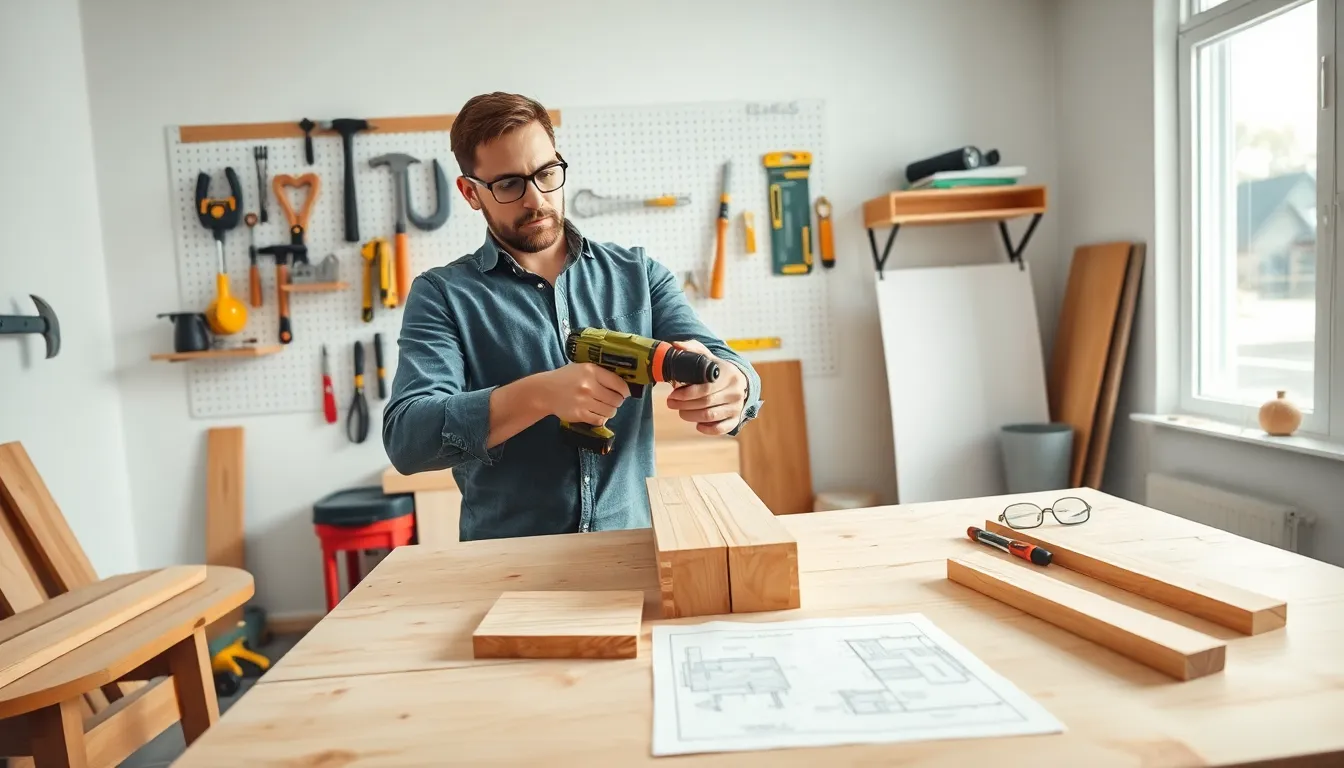
DIY projects let people create, repair, and improve things without hiring professionals. The term “DIY” stands for “do-it-yourself,” and it covers everything from building furniture to fixing leaky faucets. Millions of homeowners and hobbyists tackle DIY projects each year to save money, learn new skills, and add personal touches to their spaces. This guide explains what DIY projects involve, explores popular project types, and offers practical tips for beginners ready to start their first hands-on creation.
Table of Contents
ToggleKey Takeaways
- DIY projects involve creating, repairing, or improving things yourself without hiring professionals, ranging from simple crafts to major home renovations.
- Popular DIY project categories include home improvement, furniture building, crafts, garden projects, repairs, and upcycling old items into something new.
- Taking on DIY projects can save 50% or more on labor costs while developing valuable skills in carpentry, plumbing, and other trades.
- Essential starter tools include a cordless drill, hammer, screwdriver set, tape measure, and safety gear like glasses and gloves.
- Beginners should start with small DIY projects, plan thoroughly, watch tutorials, and always measure twice before cutting.
- Know your limits—major electrical work, gas lines, and structural changes should be left to licensed professionals for safety.
Understanding DIY Projects
DIY projects are tasks that individuals complete themselves rather than paying someone else to do the work. These projects range from simple crafts to major home renovations. The core idea is straightforward: take ownership of a task, gather the right materials, and build or fix something with your own hands.
People have embraced DIY projects for decades, but the movement gained significant momentum with the rise of online tutorials and video platforms. YouTube alone hosts millions of DIY project videos, and Pinterest boards overflow with craft ideas and home improvement inspiration.
A DIY project can be as small as painting a picture frame or as large as remodeling a bathroom. What matters is the hands-on involvement. The person doing the project makes decisions, solves problems, and sees the work through from start to finish.
DIY projects appeal to different people for different reasons. Some want to save money on labor costs. Others enjoy the creative process. Many find satisfaction in pointing to something in their home and saying, “I made that myself.”
Popular Types of DIY Projects
DIY projects span countless categories. Here are some of the most common types that beginners and experienced makers explore:
Home Improvement Projects
These include painting rooms, installing shelving, replacing light fixtures, and updating cabinet hardware. Home improvement DIY projects often boost property value while giving spaces a fresh look.
Furniture Building and Restoration
From building coffee tables to refinishing old dressers, furniture projects let people create custom pieces. Pallet wood projects have become especially popular for their low cost and rustic appeal.
Crafts and Decor
Handmade candles, macramé wall hangings, custom signs, and seasonal decorations fall into this category. These DIY projects make great gifts and allow for creative expression.
Garden and Outdoor Projects
Raised garden beds, birdhouses, outdoor benches, and fire pits represent popular outdoor DIY projects. These often require basic woodworking skills and weather-resistant materials.
Repairs and Maintenance
Fixing a running toilet, patching drywall, or replacing a broken tile counts as a DIY project. These tasks save significant money compared to calling a handyman.
Upcycling Projects
Transforming old items into something new has become a major trend. Old ladders become bookshelves. Wine bottles turn into lamps. Mason jars find new life as bathroom organizers.
Benefits of Taking on DIY Projects
DIY projects deliver multiple advantages that explain their lasting popularity.
Cost Savings
Labor often accounts for 50% or more of professional service costs. A DIY approach eliminates that expense. Homeowners who install their own backsplash or build their own deck save hundreds or thousands of dollars.
Skill Development
Every DIY project teaches something new. Basic plumbing, electrical work, carpentry, and finishing techniques become less mysterious with each completed task. These skills compound over time.
Customization
Professionals work from standard options. DIY projects allow complete control over dimensions, colors, finishes, and features. That bookshelf can fit that exact awkward corner. That table can match that specific shade of blue.
Personal Satisfaction
Completing a DIY project creates a sense of accomplishment that buying something ready-made cannot match. There’s genuine pride in solving problems and creating functional items.
Mental Health Benefits
Working with hands provides a break from screens and mental stress. Many people find DIY projects meditative. The focus required pushes aside daily worries.
Environmental Impact
Repairing items instead of replacing them reduces waste. Upcycling keeps materials out of landfills. Building something durable beats buying disposable alternatives.
Essential Tools and Materials for Getting Started
Starting DIY projects requires some basic equipment. Here’s what beginners should gather:
Hand Tools
- Hammer
- Screwdriver set (flathead and Phillips)
- Tape measure
- Level
- Utility knife
- Pliers
- Adjustable wrench
Power Tools
A cordless drill ranks as the most useful power tool for DIY projects. It handles drilling holes and driving screws quickly. A circular saw or jigsaw becomes necessary for cutting wood.
Safety Gear
Safety glasses protect eyes from debris. Work gloves prevent cuts and splinters. A dust mask guards against particles when sanding or cutting.
Supplies to Keep on Hand
- Sandpaper in various grits
- Wood glue
- Painter’s tape
- Drop cloths
- Assorted screws and nails
- Pencils for marking
Beginners don’t need to buy everything at once. Start with tools required for the first DIY project, then build the collection over time. Quality matters more than quantity. A reliable drill outlasts three cheap ones.
Tips for Successful DIY Projects
Following proven strategies increases the chances of DIY project success.
Start Small
Beginners should choose simple DIY projects first. A small shelf teaches measuring, cutting, and finishing without overwhelming pressure. Early wins build confidence for bigger tasks.
Plan Before Starting
Sketch the project. List all materials. Calculate costs. Rushing into a DIY project without preparation leads to multiple hardware store trips and frustrating mistakes.
Watch Tutorials First
Before cutting a single piece of wood, watch two or three videos of similar DIY projects. Different creators explain steps in different ways. One might clarify something another glossed over.
Measure Twice, Cut Once
This old saying exists because cutting errors waste materials and time. Double-check every measurement before making permanent changes.
Expect Problems
Every DIY project hits snags. A board splits. Paint drips. Holes don’t line up. Experienced makers treat problems as part of the process, not reasons to quit.
Know When to Call a Professional
Some tasks shouldn’t become DIY projects. Major electrical work, gas line modifications, and structural changes require licensed professionals for safety and code compliance.
Document Your Work
Take photos throughout the DIY project. These help track progress, troubleshoot issues, and share accomplishments. Before-and-after comparisons show how far skills have developed.