
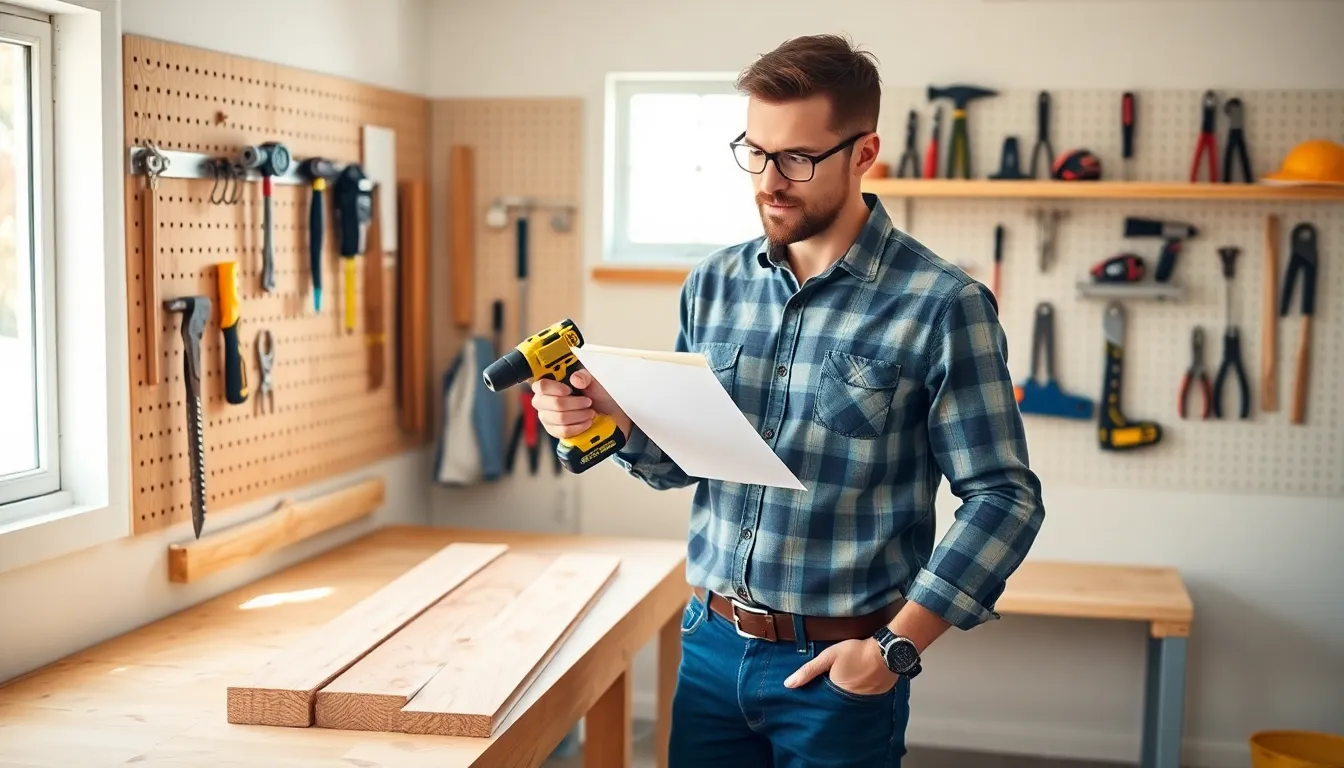
Learning how to DIY projects can save money, build confidence, and transform a living space. Many homeowners feel unsure about where to begin. The good news? Most DIY projects require basic skills that anyone can learn. This guide breaks down the essential tools, beginner-friendly projects, and planning strategies that turn first-timers into capable DIY enthusiasts. Whether someone wants to install a new shelf or repaint a room, success starts with the right knowledge.
Table of Contents
ToggleKey Takeaways
- Learning how to DIY projects starts with essential tools like a cordless drill, hammer, tape measure, and basic safety equipment.
- Begin with simple DIY projects like painting a room, installing floating shelves, or replacing cabinet hardware to build confidence.
- Always measure twice and prep your work area thoroughly before starting any project to avoid costly mistakes.
- Create a realistic budget with 15-20% extra for unexpected costs and double your estimated timeline as a beginner.
- Know your limits—electrical panel work, gas line modifications, and structural changes require licensed professionals.
- Never skip safety gear or work alone on heavy tasks; injuries can permanently end your DIY journey.
Essential Tools and Materials for DIY Success
Every successful DIY project starts with the right tools. Beginners don’t need a full workshop, just a solid foundation of versatile equipment.
Must-Have Hand Tools
A quality hammer sits at the top of the list. It drives nails, removes them, and handles light demolition. A tape measure ensures accurate cuts and proper spacing. Screwdrivers in both flathead and Phillips varieties cover most fastening needs.
Pliers grip, twist, and pull materials that fingers can’t handle. An adjustable wrench tightens bolts and nuts across different sizes. A utility knife cuts everything from packaging to drywall.
Power Tools Worth the Investment
A cordless drill changes the game for DIY projects. It drives screws in seconds and bores holes with precision. Most beginners find a drill pays for itself within the first few projects.
A circular saw cuts lumber quickly and accurately. For smaller jobs, a jigsaw handles curves and detailed cuts. These two tools cover most cutting needs around the house.
Safety Equipment
Safety glasses protect eyes from flying debris. Work gloves shield hands from splinters, sharp edges, and rough materials. A dust mask prevents inhaling sawdust and particles during sanding or cutting.
Ear protection matters when using loud power tools. A first aid kit should stay within reach at all times. These items cost little but prevent serious injuries.
Stocking Up on Materials
Keep common supplies on hand: wood screws in various sizes, sandpaper in different grits, wood glue, and painter’s tape. A level ensures straight lines on every project. Having these basics ready means fewer trips to the hardware store mid-project.
Easy DIY Projects to Try First
Starting with simple projects builds skills and confidence. These beginner-friendly DIY projects deliver visible results without overwhelming new DIYers.
Painting a Room
Painting offers the biggest visual impact with the lowest skill requirement. The process teaches prep work, patience, and attention to detail. Clean walls, apply painter’s tape, lay drop cloths, and roll on the color. Most rooms take a weekend to complete.
Installing Floating Shelves
Floating shelves add storage and style to any wall. They require measuring, drilling, and leveling, core DIY skills. Most kits include hardware and instructions. The project takes about an hour per shelf.
Replacing Cabinet Hardware
Swapping old cabinet knobs and pulls refreshes a kitchen or bathroom instantly. This DIY project needs only a screwdriver and a steady hand. Alignment matters, so measure carefully before drilling new holes.
Building a Simple Bookshelf
A basic bookshelf teaches cutting, assembly, and finishing. Pine boards, wood screws, and sandpaper are all someone needs. This project typically takes an afternoon and delivers practical results.
Fixing a Running Toilet
Plumbing sounds scary, but a running toilet usually just needs a new flapper or fill valve. Both parts cost under $20 and install in minutes. This DIY fix saves water and money immediately.
Planning and Preparing Your DIY Project
Good planning separates smooth DIY projects from frustrating ones. Time spent preparing saves hours of rework later.
Define the Scope
Start by writing down exactly what the project involves. A “bathroom update” might mean new paint, new fixtures, or a complete remodel. Clear scope prevents feature creep and budget overruns.
Research the Process
Watch tutorial videos from multiple sources. Read written guides for additional details. Understanding each step before starting prevents confusion mid-project. Note any specialized tools or materials the project requires.
Create a Budget
List every material, tool, and supply the project needs. Add 15-20% for unexpected costs, they always appear. Compare prices across stores. Factor in rental costs for specialized equipment.
Set a Realistic Timeline
Beginners should double the estimated time for their first DIY projects. Drying times, learning curves, and hardware store runs all add hours. Schedule projects when the calendar allows flexibility.
Prepare the Work Area
Clear furniture and cover floors before starting. Gather all tools and materials within arm’s reach. Good lighting makes detailed work easier. Ventilation matters for projects involving paint, stain, or adhesives.
Know When to Call a Pro
Some work requires permits or licensed professionals. Electrical panel upgrades, gas line modifications, and structural changes fall outside typical DIY scope. Recognizing these limits keeps everyone safe.
Common DIY Mistakes and How to Avoid Them
Even experienced DIYers make mistakes. Knowing the common pitfalls helps beginners avoid them from the start.
Skipping the Prep Work
Rushing into a DIY project without proper preparation causes problems. Unprepared surfaces don’t hold paint well. Uncleared work areas slow progress. Take time to prep properly, it affects the final result.
Measuring Once (or Not at All)
“Measure twice, cut once” exists as advice for good reason. Eyeballing measurements leads to crooked shelves, ill-fitting pieces, and wasted materials. Use a tape measure every time.
Buying the Cheapest Tools
Bargain tools often break, strip, or fail during DIY projects. They also produce lower-quality results. Mid-range tools balance cost and performance. They last longer and work better.
Ignoring Safety Precautions
Skipping safety glasses or working without proper support causes injuries. Fatigue leads to accidents, so take breaks. Never disable safety features on power tools. One injury can end a DIY career permanently.
Underestimating Project Complexity
Some projects look simple on YouTube but require advanced skills. Start with easier versions and work up. A weekend warrior shouldn’t tackle a kitchen renovation as their first DIY project.
Not Asking for Help
Some tasks require two people. Holding a heavy board while cutting creates danger. Moving appliances solo causes injuries. Ask a friend or family member to assist with awkward or heavy work.