
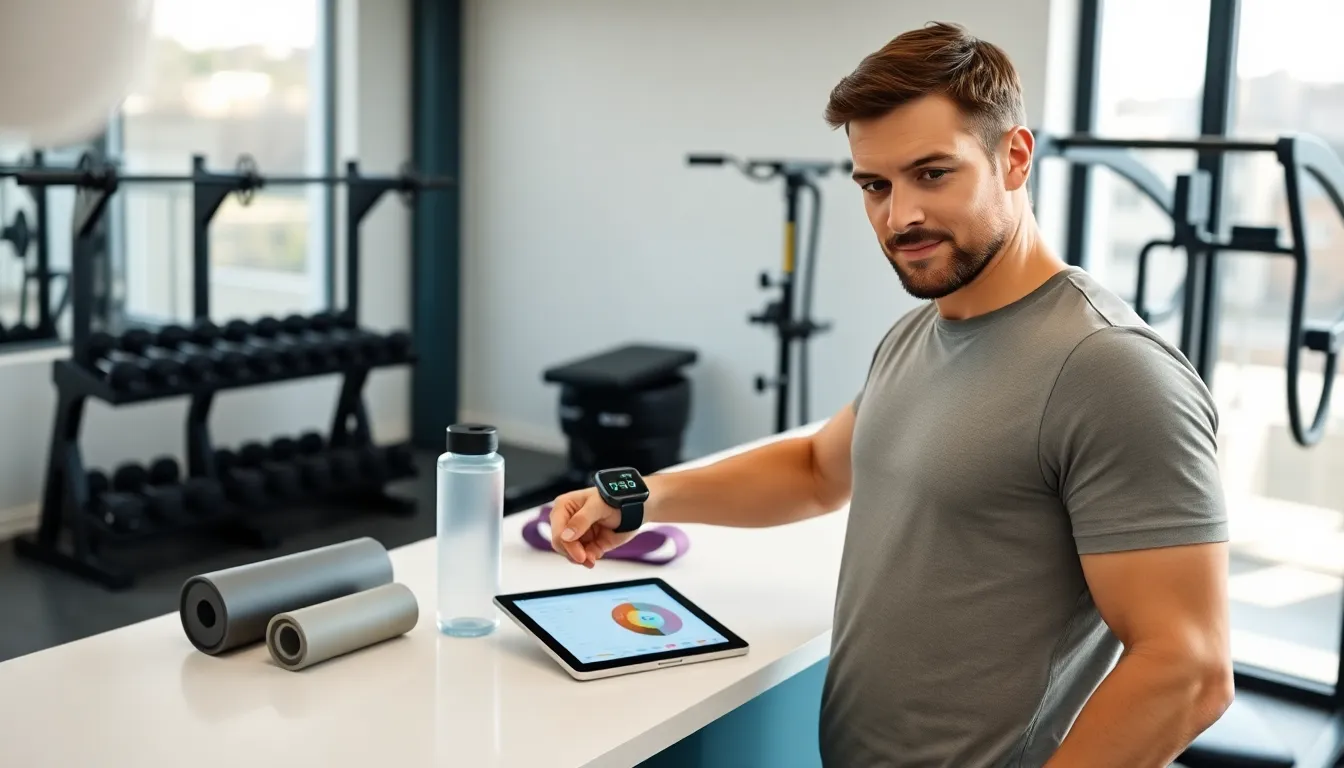
Men’s wellness tools have become essential for anyone serious about improving their health. From fitness trackers to meditation apps, these resources help men take control of their physical and mental well-being. The right tools can transform vague health goals into measurable progress.
Today’s wellness market offers more options than ever. Smart devices track sleep patterns. Apps monitor nutrition intake. Wearables measure heart rate variability. But with so many choices, knowing where to start can feel overwhelming. This guide breaks down the most effective men’s wellness tools across five key categories, fitness, mental health, sleep, nutrition, and goal-setting, so readers can build a personalized health toolkit that actually works.
Table of Contents
ToggleKey Takeaways
- Men’s wellness tools span five essential categories: fitness, mental health, sleep, nutrition, and goal-setting—choose based on your priorities.
- Start with one wellness area and set specific, measurable goals before investing in any tools or devices.
- Sleep tracking devices like Oura Ring and recovery tools such as massage guns deliver clear ROI through better workouts and sharper thinking.
- Mental health apps like Headspace, Calm, and therapy platforms remove common barriers that prevent men from seeking support.
- Always check integration options—tools that sync with Apple Health, Google Fit, or Strava provide consolidated data for better insights.
- Factor in subscription costs and use free trials before committing to any men’s wellness tools long-term.
Physical Fitness Tools
Physical fitness forms the foundation of men’s wellness. The right tools make workouts more effective and progress easier to track.
Fitness Trackers and Smartwatches
Devices like the Apple Watch, Garmin, and Fitbit monitor daily activity levels. They count steps, measure heart rate, and calculate calories burned. Many models also track specific workouts, running, cycling, weight training, and swimming. The data helps users identify patterns and adjust their routines.
Strength Training Equipment
Home gym setups have grown popular since 2020. Adjustable dumbbells save space while offering weight ranges from 5 to 50+ pounds. Resistance bands provide portable strength training options. For those with more room, power racks and barbells enable full-body compound movements.
Smart Home Gym Systems
Products like Tonal and Mirror bring personal training home. These systems use AI to recommend exercises and adjust resistance automatically. They cost more upfront but eliminate gym membership fees over time.
Recovery Tools
Foam rollers, massage guns, and percussion therapy devices speed up muscle recovery. Brands like Theragun and Hyperice dominate this category. Regular use reduces soreness and improves flexibility between workouts.
Men’s wellness tools in the fitness category work best when matched to specific goals. A marathon runner needs different equipment than someone building muscle mass.
Mental Health and Stress Management Resources
Mental health deserves the same attention as physical fitness. Men’s wellness tools in this category help manage stress, anxiety, and emotional well-being.
Meditation Apps
Headspace and Calm lead the meditation app market. Both offer guided sessions ranging from 3 to 30 minutes. Headspace focuses on teaching meditation fundamentals. Calm emphasizes sleep stories and relaxation content. Research shows that consistent meditation practice reduces cortisol levels and improves focus.
Breathing Exercise Devices
Tools like the Oura Ring and Whoop strap track heart rate variability (HRV). Higher HRV typically indicates better stress management. Some devices guide users through breathing exercises that activate the parasympathetic nervous system.
Journaling Apps
Day One and Journey help users maintain digital journals. Writing about thoughts and experiences improves emotional processing. Many men find journaling easier through an app than a physical notebook.
Therapy Platforms
BetterHelp and Talkspace connect users with licensed therapists via text, phone, or video. These platforms remove barriers that often prevent men from seeking mental health support. Sessions happen on the user’s schedule, from any location.
Biofeedback Devices
Muse headbands measure brain activity during meditation. The device provides real-time audio feedback, helping users understand their mental state. This data-driven approach appeals to men who prefer measurable results.
Sleep and Recovery Aids
Quality sleep affects every aspect of health. Men’s wellness tools focused on sleep help users understand and improve their rest patterns.
Sleep Tracking Devices
The Oura Ring has become a favorite among wellness enthusiasts. It tracks sleep stages, body temperature, and readiness scores. Whoop offers similar features through a wrist-worn strap. Both provide insights that basic fitness trackers miss.
Smart Mattresses and Sleep Systems
Eight Sleep and Sleep Number beds adjust temperature and firmness throughout the night. These systems cost thousands of dollars but deliver measurable improvements for many users. Studies suggest that sleeping in a cooler environment improves deep sleep duration.
Light Therapy Devices
Seasonal changes affect circadian rhythms. Light therapy lamps simulate natural sunlight and help regulate sleep-wake cycles. The Philips Wake-Up Light gradually brightens before the alarm, making mornings less jarring.
White Noise and Sound Machines
Consistent background noise masks disruptions and helps the brain relax. The LectroFan and Hatch Restore offer multiple sound options. Some users prefer nature sounds: others want pure white or pink noise.
Weighted Blankets
Weighted blankets apply gentle pressure that mimics deep touch therapy. Research indicates they reduce anxiety and improve sleep quality. Most adults benefit from blankets weighing 10-15% of their body weight.
Men’s wellness tools for sleep recovery offer clear ROI. Better sleep means better workouts, sharper thinking, and improved mood.
Nutrition and Hydration Trackers
What men eat and drink directly impacts their wellness outcomes. Tracking tools bring awareness to nutritional habits and highlight areas for improvement.
Calorie and Macro Tracking Apps
MyFitnessPal remains the most popular nutrition tracker. Users log meals and receive detailed breakdowns of calories, protein, carbs, and fats. Cronometer offers more precise micronutrient data for those who want deeper insights.
Smart Water Bottles
Hidrate Spark bottles track water intake and sync with smartphone apps. LED lights remind users to drink throughout the day. Proper hydration supports muscle function, cognitive performance, and energy levels.
Meal Planning Services
Apps like Eat This Much generate meal plans based on dietary preferences and calorie targets. They create shopping lists and suggest recipes. This automation removes decision fatigue from healthy eating.
Smart Scales
The Withings Body+ and Renpho scales measure more than just weight. They estimate body fat percentage, muscle mass, and bone density. Tracking these metrics provides a fuller picture of body composition changes.
Continuous Glucose Monitors
Devices like Levels and Nutrisense show how foods affect blood sugar in real time. Originally designed for diabetics, these monitors now attract health-conscious men who want to optimize their diet. Understanding glucose responses helps users make smarter food choices.
Men’s wellness tools for nutrition work best with consistent use. Logging meals for even two weeks reveals surprising patterns in eating habits.
How to Choose the Right Wellness Tools for Your Goals
The best men’s wellness tools match individual goals, budgets, and lifestyles. Here’s how to build a useful toolkit without wasting money.
Start with One Area
Don’t buy everything at once. Pick the category that matters most right now. Someone struggling with sleep should prioritize sleep tracking before investing in nutrition apps. Focus creates momentum.
Set Clear Goals First
Vague intentions lead to abandoned purchases. “I want to get healthier” won’t guide tool selection. “I want to sleep 7+ hours per night” or “I want to hit 150g of protein daily” gives direction. Men’s wellness tools should serve specific objectives.
Check Integration Options
Many tools sync with each other. Apple Health, Google Fit, and Strava act as central hubs for fitness data. Before buying, verify that new devices connect with existing ones. Consolidated data tells a better story.
Read Long-Term Reviews
First impressions differ from six-month experiences. Look for reviews from users who have stuck with a product. Early enthusiasm often fades when novelty wears off.
Consider Subscription Costs
Some tools require ongoing payments. Whoop charges monthly fees. Many apps lock features behind premium subscriptions. Factor these costs into the total investment before committing.
Test Before Committing
Free trials exist for most apps and some devices. Use them. A tool that works for one person might frustrate another. Personal testing beats any recommendation.