
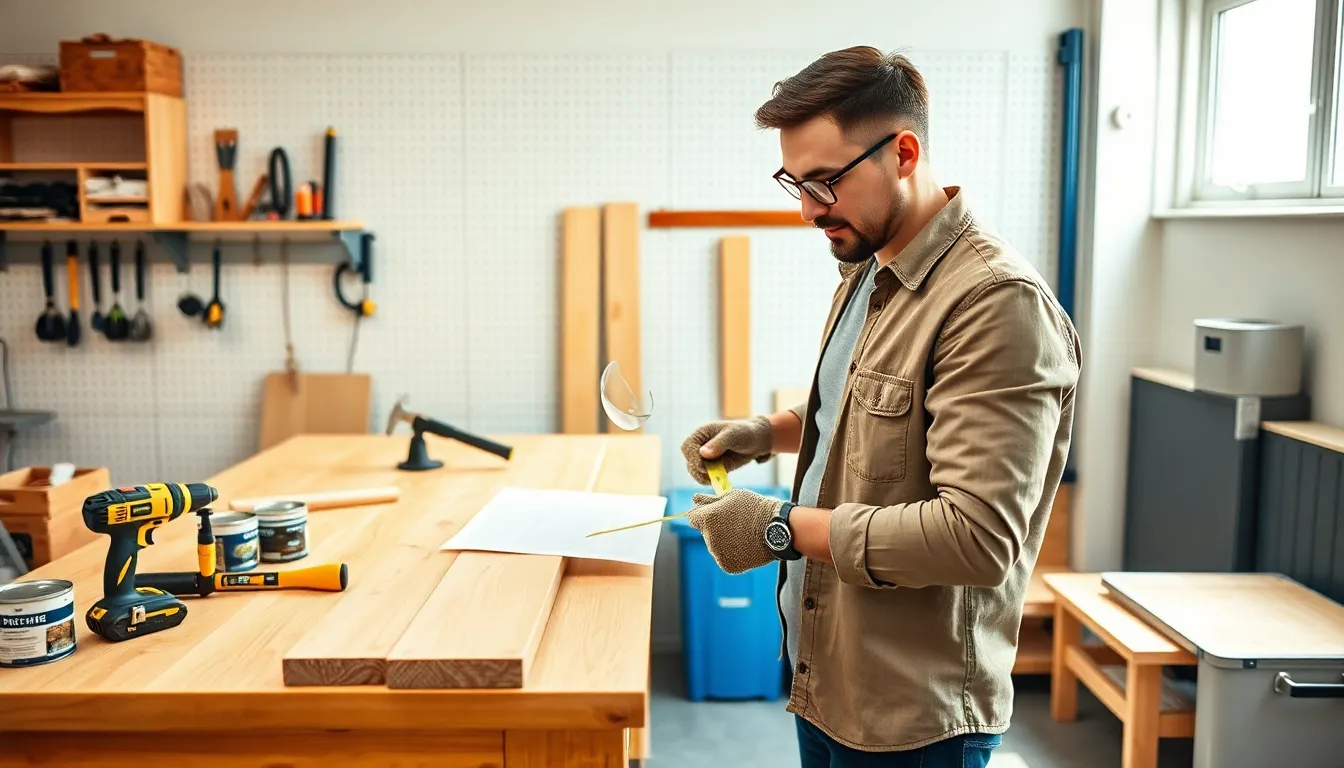
DIY projects techniques transform ordinary homeowners into capable crafters. Whether someone wants to build a bookshelf, refinish a dresser, or hang artwork properly, the right skills make all the difference. Learning these techniques saves money, builds confidence, and creates a sense of accomplishment that store-bought items simply can’t match.
This guide covers the essential DIY projects techniques every home crafter needs. From planning and woodworking basics to painting, fastening, and safety practices, these skills form the foundation of successful DIY work. Beginners will find practical advice they can apply immediately, while intermediate crafters can sharpen their existing abilities.
Table of Contents
ToggleKey Takeaways
- Mastering DIY projects techniques saves money, builds confidence, and delivers satisfaction that store-bought items can’t match.
- Always plan thoroughly by defining project scope, gathering materials in advance, and measuring twice before cutting.
- Start woodworking with softwoods like pine, pre-drill pilot holes to prevent splitting, and sand in the direction of the grain for smooth finishes.
- Surface preparation—including sanding, filling holes, and applying primer—is essential for professional-looking paint results.
- Choose the right fasteners and adhesives for your materials: wood glue for porous surfaces, toggle bolts for drywall, and always locate studs for heavy items.
- Prioritize safety by wearing protective gear, keeping tools sharp and maintained, and never disabling power tool safety guards.
Planning and Preparation Basics
Good planning separates frustrating DIY failures from satisfying successes. Before picking up any tool, smart crafters invest time in preparation.
Define the Project Scope
Start by answering three questions: What exactly needs to be built or fixed? What materials are required? How much time is realistically available? Writing down answers prevents scope creep, that tendency for a “quick weekend project” to consume three weekends.
Gather Materials and Tools
Create a complete materials list before visiting the hardware store. Nothing kills momentum like discovering a missing bracket at 8 PM on a Sunday. Most DIY projects techniques require these basic tools:
- Tape measure and level
- Hammer and screwdriver set
- Power drill with bit assortment
- Utility knife and pencils
- Safety glasses and work gloves
Measure Twice, Cut Once
This old carpenter’s saying exists because it’s true. Double-checking measurements costs seconds but saves hours of rework. Mark measurements clearly with a pencil, and verify before making any permanent cuts or modifications.
Prepare the Workspace
Clear the work area completely. Good lighting prevents mistakes, and adequate ventilation matters for projects involving paint or adhesives. Lay down drop cloths to protect floors, and keep tools organized within easy reach.
Woodworking Techniques for Beginners
Woodworking forms the backbone of many home DIY projects techniques. These fundamental skills apply to everything from simple shelving to furniture repairs.
Understanding Wood Types
Softwoods like pine and cedar cut easily and cost less, making them ideal for beginners. Hardwoods such as oak and maple offer durability but require sharper tools and more patience. Plywood and MDF work well for painted projects where grain appearance doesn’t matter.
Basic Cutting Methods
A hand saw handles most beginner cuts adequately. Keep the blade at a 45-degree angle for crosscuts (across the grain) and a lower angle for rip cuts (along the grain). For straighter lines, clamp a guide board along the cut mark.
Circular saws speed up the process considerably. Always support the wood properly, let the blade reach full speed before cutting, and never force the tool.
Joining Wood Pieces
Simple butt joints, where two pieces meet at right angles, work for basic projects when reinforced with screws or nails. Pocket hole joinery creates stronger connections with hidden fasteners. Pre-drill pilot holes to prevent wood from splitting, especially near edges.
Sanding Fundamentals
Start with coarser grit sandpaper (80-100) to remove rough spots, then progress to finer grits (150-220) for smooth finishes. Always sand in the direction of the wood grain. An orbital sander saves significant effort on larger surfaces.
Painting and Finishing Methods
Proper finishing transforms raw DIY projects into polished pieces. These DIY projects techniques ensure professional-looking results.
Surface Preparation
Painting over unprepared surfaces leads to peeling and uneven coverage. Sand glossy surfaces lightly to help paint adhere. Fill holes and cracks with wood filler, then sand smooth once dry. Clean all dust with a tack cloth before applying any finish.
Primer Application
Primer isn’t optional for quality results. It seals porous materials, blocks stains, and helps paint adhere properly. Use oil-based primer for covering stains and latex primer for general purposes. One even coat usually suffices.
Paint Application Techniques
Brushes work best for edges, corners, and detailed areas. Use high-quality brushes, cheap ones shed bristles into wet paint. Load the brush about one-third up the bristles and apply with smooth, even strokes.
Rollers cover large flat surfaces quickly. Choose roller nap thickness based on surface texture: smooth surfaces need thin naps (1/4 inch), while textured surfaces require thicker naps (3/8 to 1/2 inch).
Clear Finishes and Stains
Wood stain penetrates the grain and adds color while showing natural wood patterns. Apply with a brush or rag, then wipe off excess before it dries. Polyurethane and other clear finishes protect the surface. Apply thin coats, sanding lightly between applications with fine-grit sandpaper.
Working With Adhesives and Fasteners
Choosing the right joining method matters for project durability. Different materials and applications require different DIY projects techniques.
Common Adhesive Types
Wood glue creates bonds stronger than the wood itself when clamped properly. It requires porous materials and needs 24 hours for full cure. Construction adhesive handles mixed materials and fills gaps, making it useful for uneven surfaces.
Epoxy bonds almost anything and offers waterproof strength. Mix the two-part formula according to directions and work quickly, most epoxies set within minutes. Super glue (cyanoacrylate) works for small repairs but remains brittle under stress.
Screw Selection
Screw length should be about 2.5 times the thickness of the top piece being attached. Wood screws have tapered shanks and sharp points for gripping wood fibers. Drywall screws work adequately for many projects but can snap under stress.
Pre-drilling prevents splitting and makes driving screws easier. The pilot hole should match the screw’s inner shank diameter, not the outer thread diameter.
Nail and Brad Applications
Finish nails and brads work well for trim and molding where heads need to be hidden. A nail set punches heads below the surface for filling. Framing nails handle structural connections but leave visible heads.
Anchors and Wall Fasteners
Drywall alone can’t support significant weight. Toggle bolts spread loads across a larger area and hold up to 50 pounds in drywall. Plastic anchors work for lighter items. Always locate wall studs for hanging heavy objects.
Safety Practices and Tool Maintenance
Safe work habits protect crafters from injury and extend tool life. These DIY projects techniques should become automatic habits.
Personal Protective Equipment
Safety glasses protect eyes from flying debris and should be worn during all cutting and drilling operations. Hearing protection matters when using power tools, even brief exposure to loud noise causes cumulative damage. Dust masks prevent inhalation of sawdust, paint particles, and chemical fumes.
Power Tool Safety Rules
Never disable safety guards or bypasses on power tools. Unplug tools before changing blades or bits. Keep fingers away from cutting paths, and never reach behind a spinning blade. Secure workpieces with clamps rather than holding them by hand.
Workspace Safety
Keep floors clear of cords, scrap materials, and tools. Good lighting prevents accidents caused by not seeing clearly. Never work while fatigued or distracted, most workshop injuries happen when attention lapses.
Tool Maintenance Basics
Sharp tools work better and actually cause fewer injuries than dull ones. Dull blades require more force, increasing the chance of slips. Clean tools after each use and store them in dry locations. Check power cords regularly for damage. Lubricate moving parts according to manufacturer recommendations.
Organized storage protects tools and saves time. Hanging frequently used items on pegboard keeps them visible and accessible. Proper storage prevents rust and damage that shortens tool life.


