
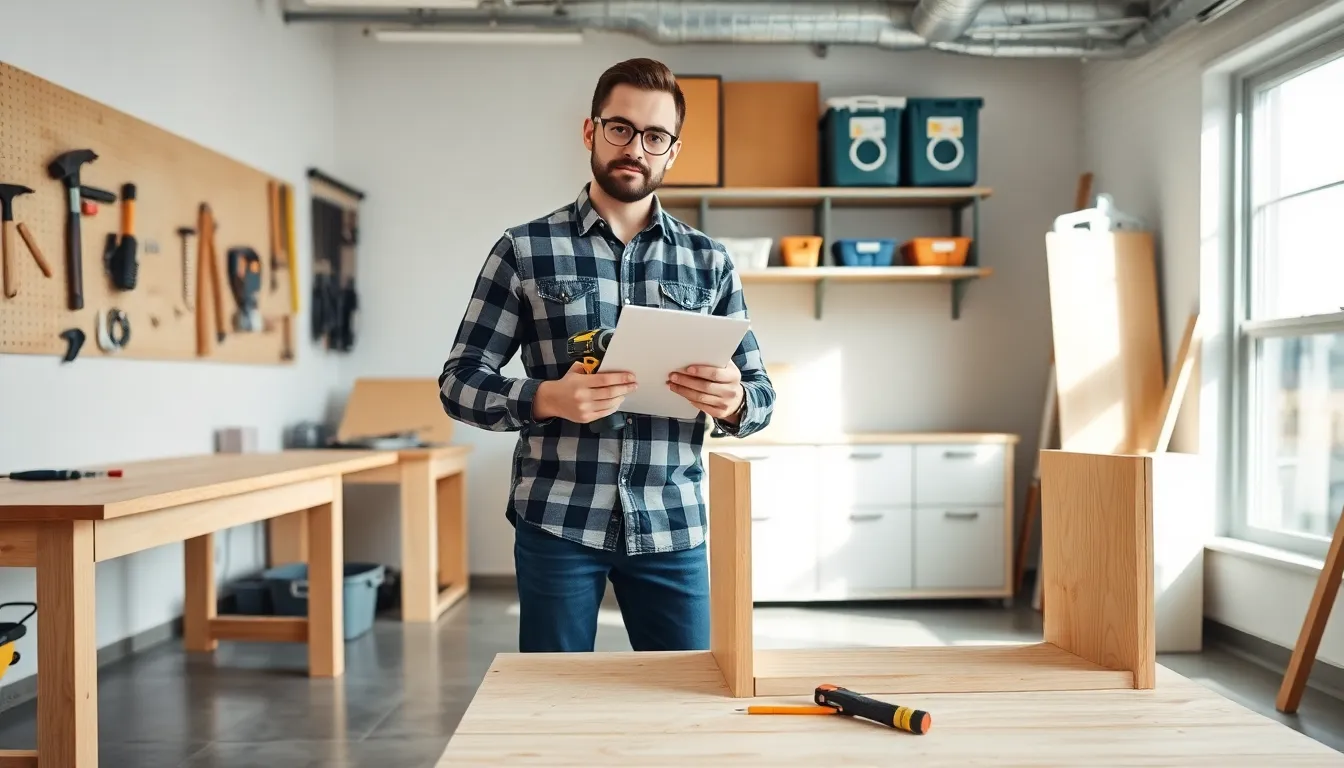
DIY projects tips can transform an average weekend into a productive home improvement session. Whether someone wants to build a bookshelf, refinish a deck, or install new light fixtures, the right approach makes all the difference. A well-planned project saves time, money, and frustration. A poorly planned one? That’s how people end up with half-painted rooms and trips to the hardware store at 9 PM.
This guide covers the essential steps for successful DIY work. Readers will learn how to plan projects effectively, gather the right tools, stay safe, avoid common pitfalls, and recognize when professional help is the smarter choice.
Table of Contents
ToggleKey Takeaways
- Successful DIY projects start with clear planning—define the scope, set a realistic budget with a 20% buffer, and research local building codes before beginning.
- Invest in essential tools like a cordless drill, claw hammer, tape measure, and safety gear to handle most home improvement tasks safely and efficiently.
- Never skip safety precautions: wear protective equipment, turn off circuit breakers before electrical work, and use ladders correctly to prevent injuries.
- Avoid common DIY mistakes by always measuring twice, following manufacturer instructions, and allowing extra time for first-time projects.
- Know when to call a professional—major electrical work, structural changes, and gas line repairs require licensed experts to prevent dangerous and costly mistakes.
Planning Your DIY Project From Start to Finish
Good planning separates successful DIY projects from abandoned ones. Before picking up a hammer, every DIYer should answer three questions: What exactly needs to be done? What materials and tools are required? How long will it realistically take?
Define the Scope Clearly
Vague goals lead to vague results. “Fix the bathroom” isn’t a plan, it’s a wish. Instead, break the project into specific tasks: replace the faucet, re-caulk the tub, install a new mirror. Write these down. A physical list keeps the work focused and provides satisfying checkboxes to mark off.
Create a Budget (Then Add 20%)
DIY projects tips from experienced builders always include this advice: expect the unexpected. Materials cost more than estimated. Hardware breaks. That “quick fix” reveals a bigger problem underneath. Building a 20% buffer into the budget prevents mid-project panic.
Set a Realistic Timeline
YouTube tutorials make everything look fast. In reality, first-time projects take longer. A professional might hang drywall in two hours: a beginner might need a full day. Plan for learning curves and drying times. Rushing leads to mistakes that take even longer to fix.
Research Before Starting
Watch multiple tutorials. Read product reviews. Check local building codes if the project involves electrical, plumbing, or structural changes. Some projects require permits, skipping this step can create legal headaches during home sales.
Must-Have Tools and Materials for Every DIYer
The right tools make DIY projects easier and safer. Investing in quality basics pays off across dozens of future projects.
Essential Hand Tools
Every toolkit needs a claw hammer, tape measure, level, utility knife, screwdriver set (both flathead and Phillips), adjustable wrench, and pliers. These handle 80% of common home repairs. A good tape measure should extend at least 25 feet and have a locking mechanism.
Power Tools Worth Owning
A cordless drill is the single most useful power tool for home DIY projects. It drives screws, drills holes, and handles countless tasks. A circular saw makes straight cuts in lumber and plywood. For finer work, a jigsaw cuts curves and shapes. These three tools cover most woodworking needs.
Safety Gear
Safety equipment isn’t optional, it’s essential. Every DIYer should own safety glasses, work gloves, hearing protection, and a dust mask or respirator. Steel-toed boots protect feet when handling heavy materials.
Consumables to Keep Stocked
DIY projects tips often overlook consumables. Keep sandpaper in various grits, wood glue, painter’s tape, a selection of screws and nails, and spare utility blades on hand. Running out mid-project wastes time and momentum.
Safety Precautions You Should Never Skip
DIY work involves real risks. Power tools, electricity, heights, and heavy materials can cause serious injuries. Smart DIYers prioritize safety on every project.
Protect Eyes and Ears
Flying debris is common during cutting, drilling, and demolition. Safety glasses prevent eye injuries that happen in seconds. Power tools also produce damaging noise levels, hearing protection matters even for short tasks.
Handle Electricity With Respect
Electrical projects require extra caution. Always turn off the circuit breaker before working on outlets, switches, or fixtures. Use a voltage tester to confirm power is off, never trust the breaker alone. Electricity doesn’t give second chances.
Use Ladders Correctly
Falls cause thousands of injuries yearly. Set ladders on stable, level surfaces. Maintain three points of contact when climbing. Never stand on the top two rungs. For projects requiring extended height work, scaffolding is safer than a ladder.
Know Material Hazards
Older homes may contain lead paint or asbestos. Disturbing these materials without proper precautions creates serious health risks. If a home was built before 1980, test before sanding, scraping, or demolishing. Professional abatement may be necessary.
Keep Work Areas Clean
Clutter causes accidents. Sawdust creates slipping hazards. Loose cords trip people. Clean as the work progresses, not just at the end.
Common DIY Mistakes and How to Avoid Them
Even experienced DIYers make mistakes. Learning from others’ errors saves time, money, and frustration.
Skipping the Prep Work
Painting without priming. Tiling without leveling the surface. Staining without sanding. Preparation isn’t glamorous, but it determines final quality. Prep work takes time, but fixing a poor finish takes longer.
Measuring Once (or Not At All)
“Measure twice, cut once” exists for a reason. Cutting materials too short wastes money and delays projects. Double-check every measurement before making a cut. For precision work, use a marking knife instead of a pencil.
Ignoring Instructions
Products include instructions for good reason. Adhesives need specific drying times. Paints require certain temperatures. Wood stains demand particular application methods. Following manufacturer guidelines produces better results.
Choosing the Cheapest Materials
Budget matters, but the cheapest option often costs more long-term. Cheap paint needs more coats. Flimsy hardware fails sooner. Low-quality lumber warps and splits. Invest in quality where it counts, especially for items that face weather or heavy use.
Underestimating Time Requirements
DIY projects tips frequently mention timeline issues. Beginners often expect weekend projects to finish in a day. This leads to rushed work and poor results. Allow extra time, especially for first attempts at new skills.
When to Call a Professional Instead
Not every project belongs in DIY territory. Some jobs require professional skills, tools, or licenses. Knowing when to step back prevents costly mistakes and dangerous situations.
Major Electrical Work
Swapping a light fixture? Most DIYers can handle that. Installing a new circuit, upgrading a panel, or running wires through walls? These require licensed electricians. Electrical mistakes cause fires and fatal shocks. Permits and inspections exist for good reason.
Structural Changes
Load-bearing walls hold up the house. Cutting into them without proper support risks collapse. Even experienced DIYers should consult structural engineers before removing or modifying walls. The cost of a consultation is nothing compared to foundation repairs.
Gas Line Work
Gas leaks kill. Never attempt gas line repairs or installations without proper licensing and training. This includes connecting gas stoves, water heaters, and furnaces. Call a plumber or HVAC professional.
Large-Scale Plumbing
Fixing a leaky faucet is fine for DIY. Re-routing drain lines, installing new water heaters, or modifying supply lines often requires permits and inspections. Plumbing mistakes cause water damage that costs thousands to repair.
When Time or Skill Is Lacking
Sometimes the honest answer is: this project exceeds current abilities. That’s okay. DIY projects tips should include this advice, knowing personal limits prevents disasters. Professionals complete work faster, often with warranties. For complex or high-stakes work, the expense is justified.


