
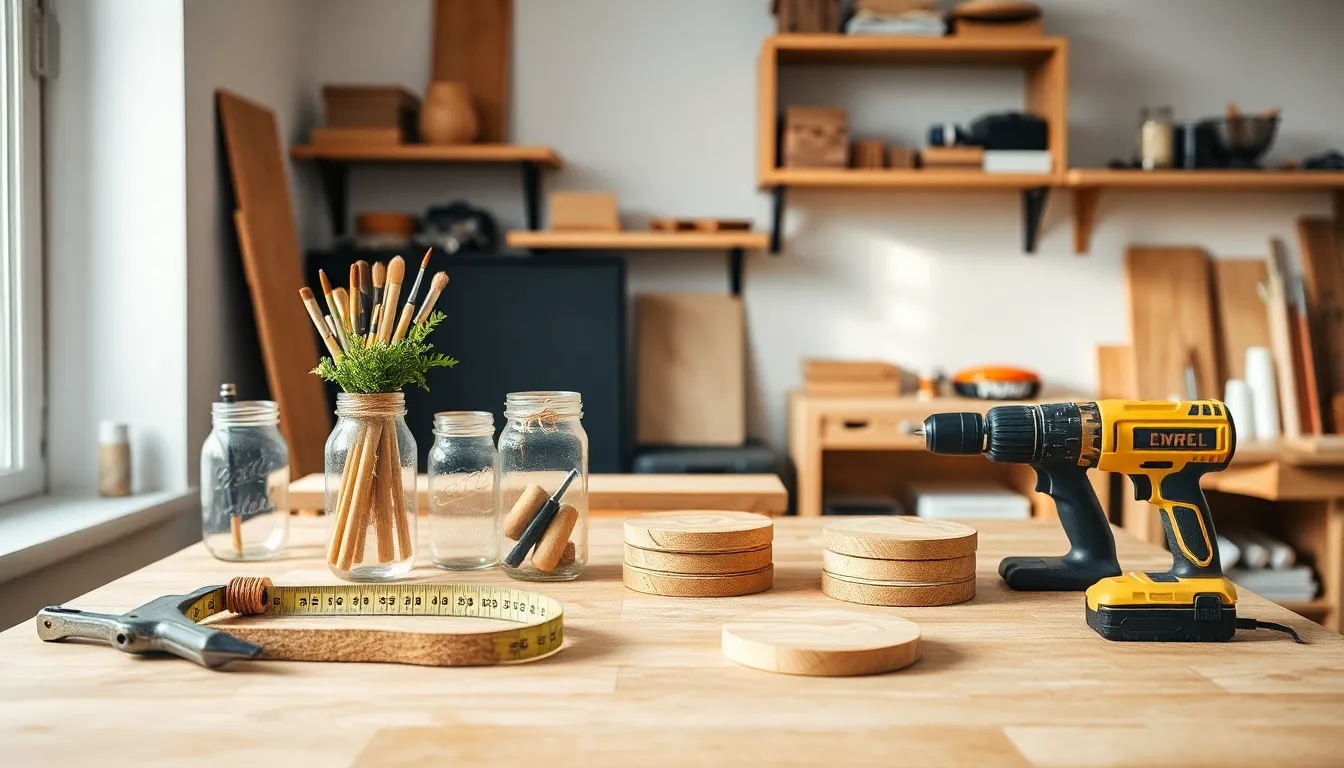
DIY projects offer a satisfying way to create, repair, and improve things with your own hands. Whether someone wants to build a bookshelf, refresh a living room, or craft a handmade gift, these projects save money and deliver a real sense of accomplishment.
The best part? DIY projects fit every skill level. A complete beginner can start with simple crafts and work up to bigger challenges. An experienced maker can tackle advanced home renovations. This guide covers practical ideas, essential tools, and smart planning tips to help anyone turn creative visions into finished projects.
Table of Contents
ToggleKey Takeaways
- DIY projects suit every skill level—beginners can start with simple crafts like painted mason jars, while experienced makers can tackle home renovations.
- Budget-friendly DIY projects like upcycled furniture and fabric scrap wreaths prove creativity matters more than expensive materials.
- A basic toolkit with essential hand tools, a cordless drill, and safety equipment sets you up for most DIY projects without a huge investment.
- Home improvement DIY projects such as painting, installing floating shelves, and replacing cabinet hardware add real value to your property.
- Always research thoroughly, measure twice before cutting, and add 25-50% extra time to your project timeline for best results.
- Know your limits—electrical work, gas lines, and structural changes require licensed professionals to ensure safety.
Easy DIY Projects for Beginners
Starting with simple DIY projects builds confidence and basic skills. These beginner-friendly ideas require minimal tools and offer quick results.
Painted Mason Jar Organizers
Mason jars make excellent storage containers for pens, brushes, or kitchen utensils. Paint the outside with acrylic craft paint, let it dry, and add labels. The whole project takes about an hour.
Fabric-Covered Bulletin Board
A cork board wrapped in patterned fabric becomes a stylish organizer. Stretch the fabric over the board, staple it to the back, and hang it up. This project costs under $15 and takes 30 minutes.
Simple Wooden Coasters
Wooden coasters teach basic woodworking without major investment. Cut cedar or pine boards into 4-inch squares, sand the edges smooth, and apply a food-safe finish. A set of six takes about two hours to complete.
Rope-Wrapped Planters
Plain terracotta pots look expensive when wrapped with sisal rope. Apply hot glue in sections and wind the rope tightly around the pot. These planters make great gifts and cost less than $5 each.
These entry-level DIY projects teach essential techniques like measuring, cutting, painting, and finishing. They also prove that anyone can create something useful and attractive.
Home Improvement Projects You Can Do Yourself
Many home improvement tasks don’t require a contractor. These DIY projects upgrade living spaces while keeping costs manageable.
Installing Floating Shelves
Floating shelves add storage and display space to any room. Use a level to mark the mounting positions, drill into wall studs when possible, and secure the brackets. Most people complete this project in under two hours.
Painting Interior Rooms
Painting delivers the biggest visual impact per dollar spent. Proper preparation matters most, fill holes, sand rough spots, tape edges, and use a primer on bare surfaces. A bedroom takes a full day: a bathroom needs just a few hours.
Replacing Cabinet Hardware
New drawer pulls and cabinet knobs transform a dated kitchen or bathroom. Measure existing hole spacing before shopping. Use a template for consistent placement when drilling new holes.
Building a Basic Garden Bed
Raised garden beds improve drainage and reduce back strain during planting. Cedar boards resist rot naturally and last 10-15 years. A 4×8-foot bed requires about $60 in lumber and takes an afternoon to build.
Weatherstripping Doors and Windows
This project reduces energy bills and improves comfort. Remove old weatherstripping, clean the surfaces, and apply new adhesive-backed strips. The materials cost under $30 for an entire house.
These home improvement DIY projects add real value to a property. They also develop practical skills that make future projects easier.
Budget-Friendly Craft and Decor Ideas
Creative DIY projects don’t require expensive materials. These budget-conscious ideas use affordable supplies and repurposed items.
Photo Display Wire Grid
A wire grid mounted on the wall holds photos, postcards, and notes with simple clips. Purchase a grid panel from a home store for about $15, spray paint it any color, and hang it with Command strips.
Concrete Candle Holders
Quick-setting concrete from the hardware store creates modern candle holders. Pour the concrete into plastic cups, insert a glass votive holder, and let it cure overnight. Each holder costs less than $3.
Fabric Scrap Wreath
Save fabric scraps or cut up old clothes to make a colorful wreath. Tie strips onto a wire wreath form until it looks full and fluffy. This project uses materials most people already have.
Upcycled Furniture Makeovers
Thrift store furniture becomes custom pieces with paint and new hardware. Sand the surface lightly, apply a bonding primer, and use chalk paint for a vintage look. A $20 dresser can rival a $200 retail piece.
Macramé Plant Hangers
Macramé uses simple knots to create decorative hangers. Cotton rope costs about $10 for enough material to make several hangers. Online tutorials teach the basic spiral and square knots.
These craft and decor DIY projects prove that creativity matters more than budget. Thrift stores, dollar stores, and recycling bins provide endless raw materials.
Essential Tools and Materials for DIY Success
The right tools make DIY projects safer, faster, and more enjoyable. Building a basic toolkit doesn’t require a huge investment.
Must-Have Hand Tools
- Hammer: A 16-ounce claw hammer handles most household tasks
- Screwdrivers: Get a set with Phillips and flathead tips in multiple sizes
- Tape measure: A 25-foot tape covers nearly all projects
- Level: A 24-inch level ensures straight installations
- Pliers: Needle-nose and slip-joint pliers grip, bend, and cut
- Utility knife: Cuts cardboard, drywall, rope, and packaging
Power Tool Basics
A cordless drill serves as the most versatile first power tool. Look for an 18-volt model with a drill/driver function. Add a jigsaw for cutting curves and a random orbital sander for finishing work.
Safety Equipment
Safety glasses protect eyes from flying debris. Work gloves prevent cuts and splinters. A dust mask filters particles when sanding or working with certain materials. Ear protection matters when using loud power tools.
Consumable Supplies
Keep sandpaper in multiple grits (80, 120, 220) on hand. Stock screws and nails in common sizes. Wood glue, painter’s tape, and drop cloths support countless DIY projects.
Quality tools cost more upfront but last longer and perform better. Buy the best tools affordable for frequently used items, and save money on specialty tools used rarely.
Tips for Planning and Completing Your Projects
Good planning turns ambitious DIY projects into successful results. These strategies help avoid common mistakes and frustrations.
Research Before Starting
Watch tutorial videos and read instructions completely before beginning. Understanding the full process prevents surprises midway through. Note any specialized tools or materials needed.
Measure Twice, Cut Once
This old saying remains the most important rule. Double-check all measurements before cutting any material. A tape measure costs a few dollars: replacement lumber costs much more.
Create a Realistic Timeline
Most DIY projects take longer than expected. Add 25-50% extra time to initial estimates. Account for supply runs, drying times, and unexpected problems.
Set Up a Proper Workspace
Good lighting and a flat work surface improve results. Protect floors with drop cloths. Keep tools organized and within reach. A clean workspace reduces mistakes and injuries.
Know When to Call a Professional
Some DIY projects exceed safe limits for amateurs. Electrical work, gas lines, and structural changes often require permits and licensed contractors. Attempting these projects without proper knowledge creates serious risks.
Document the Process
Take photos at each stage of larger DIY projects. These images help troubleshoot problems and provide a reference for future similar work. They also make great before-and-after posts to share online.


